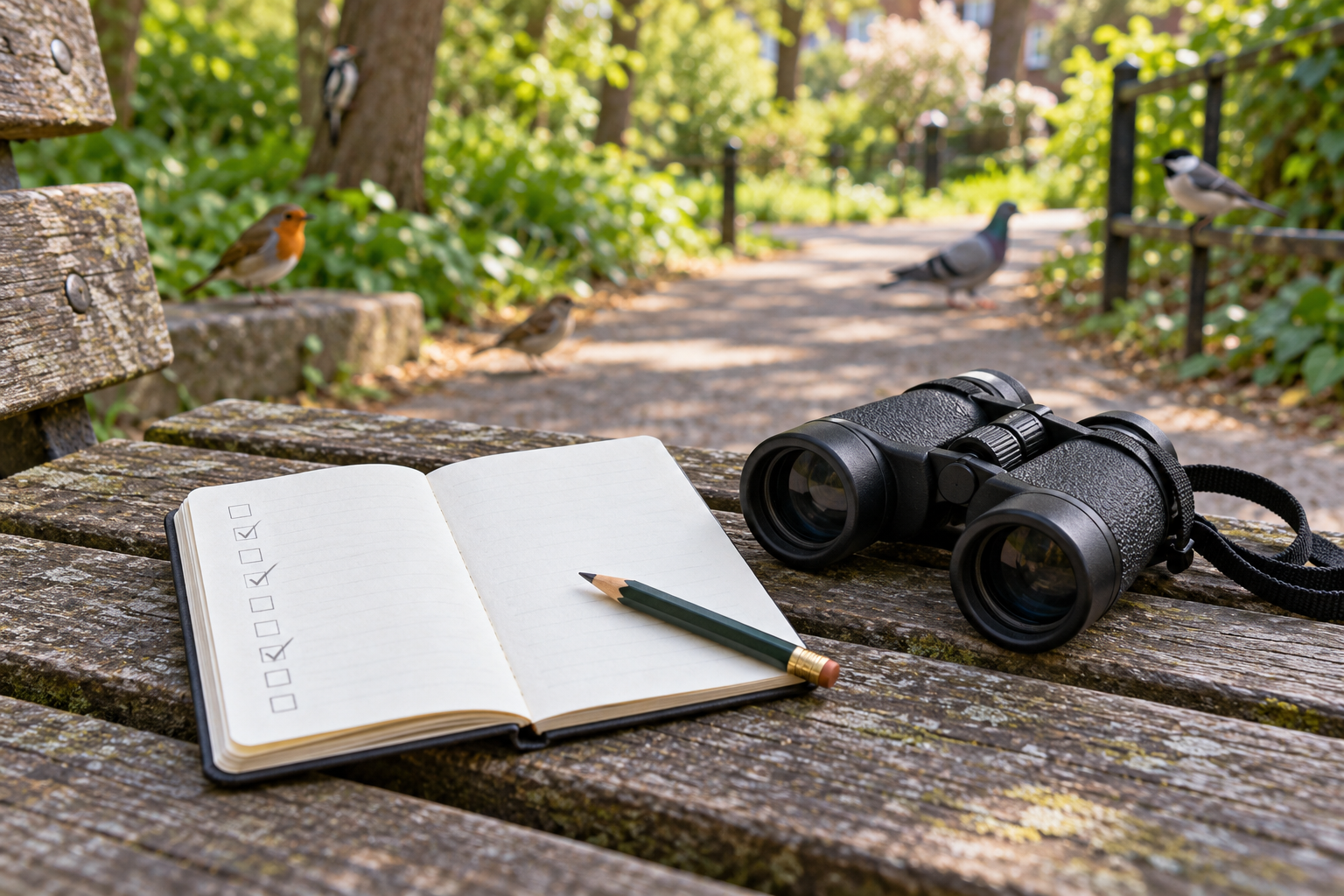
The notebook looked impressive if you read only the names. A few unusual sightings, several entries copied neatly and a surprising amount of blank space around the birds I actually encountered every week.
I had turned birdwatching into a small status project. A new name felt like progress. Another ordinary sparrow felt like something I had already collected. The birds had not agreed to this arrangement, and my observations were becoming less interesting because of it.
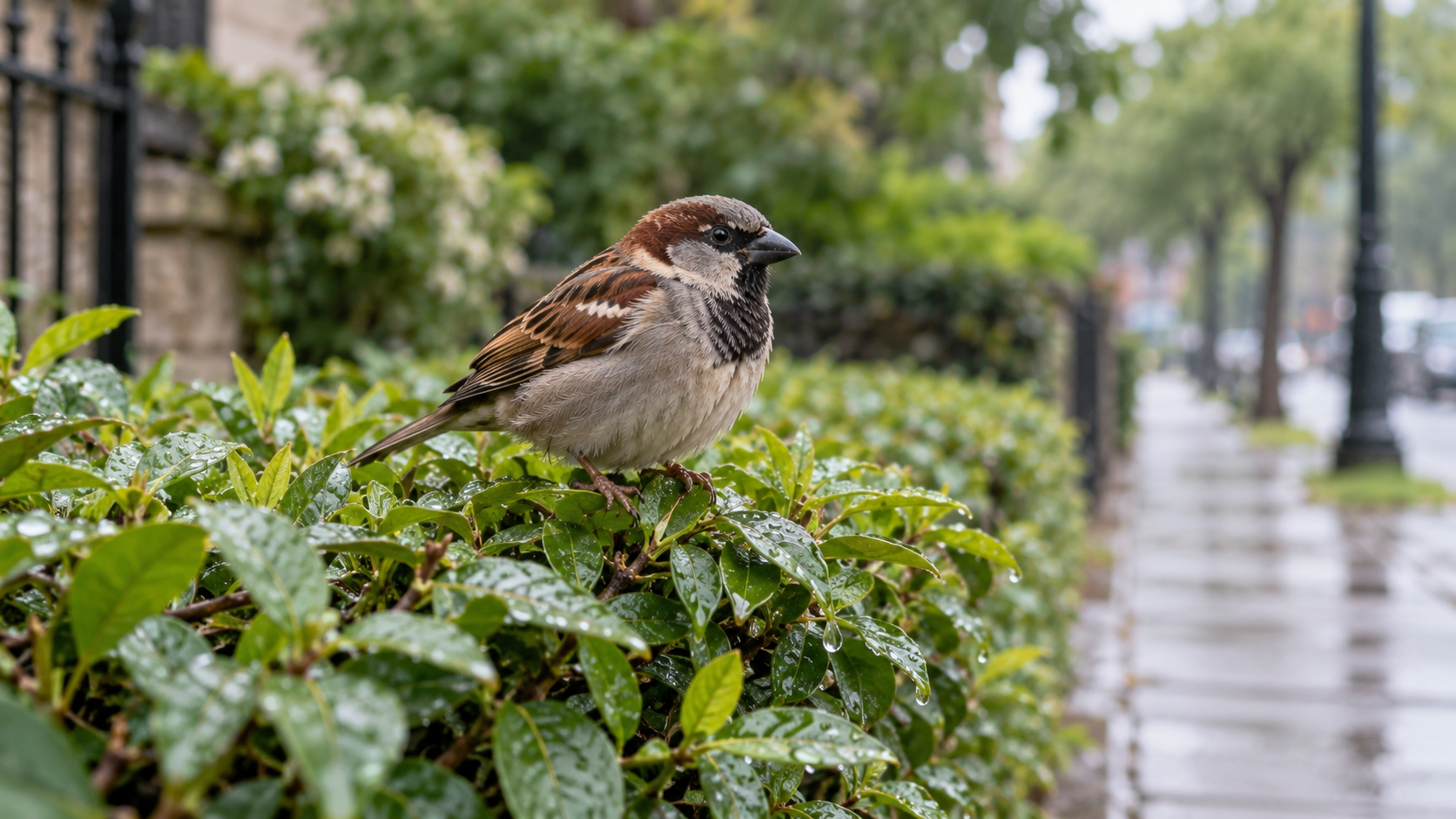
One morning I sat near a hedge and watched a common bird for longer than the hurried interval I usually allowed. It moved, paused, returned, argued about space and continued a life that was not organized around impressing my list.
The page finally had something to say.
Field note: notice a sequence. I began writing actions in order. Perched on the hedge. Hopped to the ground. Picked at something. Returned to a branch. The sequence was more useful than a decorative adjective about how charming the bird looked.
Field note: keep the place. A hedge beside a pavement offers different conditions from an open park. I recorded the surroundings, time and broad weather conditions. I did not assume that a behavior observed once described every member of the species everywhere.
Field note: leave an uncertain identification uncertain. A quick glimpse is allowed to remain unresolved. I can sketch a shape, note a sound as best I can and consult a reliable guide later. The notebook becomes less useful when embarrassment persuades me to insert a confident name I did not establish.
The Cornell Lab's guide to bird identification through behavior discusses using activity, feeding style and other habits alongside appearance. The practical change for me was simple: I began paying attention to what a bird was doing, not only to the category in which I could place it.
That shift also made short observations worthwhile. I do not always have a long morning free. I can watch a familiar area for a little while and return to the same question another day. A common bird provides more opportunities to practice than one I may encounter only occasionally.
There is nothing wrong with enjoying a new sighting. The pleasure is real. My mistake was allowing novelty to become the only reason an observation counted. I had begun treating the neighborhood as a waiting room for better wildlife somewhere else.
Now I give ordinary birds whole pages when the observation merits it. A drawing, a sequence of movements, a comparison between two mornings. Some pages contain no firm identification and several useful details. Some contain an identified bird doing almost nothing, which is a perfectly legitimate choice on the bird's part.
I keep a respectful distance and let the animal's activity remain its own. The point is to observe, not to provoke a more exciting performance or rearrange the scene for a photograph. My notebook is a guest in the neighborhood, not the director of it.
The old list remains in the front of the book. I still add names when appropriate. The pages behind it have become messier, longer and much more alive.
Yesterday the hedge offered birds I had seen many times before. I had a thoroughly good morning. The absence of a new trophy did not seem to trouble anyone involved.
A thought worth keeping?